
Benelux Insurance Brokerage Market Size and Forecast by Brokerage Type, Insurance Type, Service Offering, Client Type, Distribution Channel, Revenue Model, and End User: 2019-2033
Aug 2025
| Format:

 |
Pages: 110+
|
Type: Industry Report
|
Authors:
Jayson Gomes
(Manager – BFSI)
|
Pages: 110+
|
Type: Industry Report
|
Authors:
Jayson Gomes
(Manager – BFSI)
MARKET OUTLOOK
Benelux Insurance Brokerage Market Outlook
Cross-Border Digital Partnerships and Multilingual Integration Reshape the Benelux Insurance Brokerage Market
The Benelux insurance brokerage market is undergoing a fundamental transformation, driven by the region's digitally sophisticated and multilingual consumer base. The insurance ecosystem in Belgium, the Netherlands, and Luxembourg has witnessed an influx of white-label digital partnerships, as brokerage firms collaborate with banks, logistics operators, and tech startups to deliver seamless, multilingual insurance products across borders. With EU-aligned regulations, robust digital infrastructure, and relatively high insurance literacy, Benelux countries have emerged as fertile ground for embedded insurance innovations, especially in mobility, gig economy, and healthtech segments. These drivers are shaping the future of retail and commercial brokerage.
The Benelux insurance brokerage market is estimated to be valued at approximately USD 8.5 billion in 2025 and is projected to reach USD 12.3 billion by 2033, expanding at a CAGR of 4.7% from 2025 to 2033. This growth is primarily attributed to the increasing demand for personalized and embedded insurance, multilingual customer onboarding tools, and advanced risk analytics across logistics, automotive, and cyber insurance segments. Independent brokers and white-label commercial brokerages are playing a pivotal role in driving market maturity, especially in delivering sector-specific solutions to SMEs and cross-border enterprises.
Digitally Mature Clientele and Personalized Insurance Demand Drive Market Expansion
A significant growth driver of the Benelux insurance brokerage sector is the surge in personalized insurance demand driven by digitally savvy, multilingual consumers. As wealth services converge with insurance distribution, brokerage firms in the region are transforming into holistic financial advisory platforms. In the Netherlands, brokers are increasingly bundling health, life, and mortgage insurance into a single policy suite for young urban clients. Meanwhile, in Belgium and Luxembourg, affluent customers are showing a preference for integrated wealth and insurance planning, thereby blurring the lines between traditional brokerage and private banking.
The convergence of insurance and wealth services has paved the way for omnichannel client engagement, wherein clients can initiate policies online and continue service offline through regional affiliates or multilingual call centers. Furthermore, the gig economy boom across Amsterdam and Brussels has led to the rise of microinsurance platforms that cater to freelancers and temporary workers, often powered by independent brokers equipped with customizable policy modules. The surge in API-first broker systems and self-service dashboards is also empowering policyholders to design coverage tailored to their exact risk profile, reinforcing customer retention and upselling opportunities for brokers.
Language Fragmentation, Broker Fraud, and Cross-Border Licensing Challenges Pose Headwinds
Despite favorable macroeconomic indicators, the Benelux insurance brokerage industry is constrained by linguistic complexity, regulatory fragmentation, and the proliferation of unlicensed brokers. While Luxembourg, Belgium, and the Netherlands share overarching EU insurance directives, each country imposes distinct licensing, language, and consumer protection rules. For brokers aiming for regional scale, these fragmented rules add compliance costs and increase onboarding friction, particularly in multilingual sales environments.
Additionally, rising broker fraud cases have eroded trust in independent brokerage services. Regulatory bodies in Belgium and the Netherlands have intensified crackdowns on fraudulent intermediaries operating without licenses or soliciting fake cyber insurance products. This has heightened consumer demand for transparency and authentication, compelling legitimate brokers to invest in secure customer onboarding tools and digital ID verification systems.
Further, high client acquisition costs, particularly in Luxembourg’s niche high-net-worth segment, are limiting market entry for new players. Many smaller brokers struggle to compete with well-capitalized white-label platforms or incumbent bancassurance giants that dominate premium categories such as health, commercial liability, and reinsurance.
Embedded Distribution and Telematics Shape the Next Phase of Brokerage Evolution
One of the most transformative trends in the Benelux insurance brokerage landscape is the rise of embedded insurance via retail and banking partnerships. Banks in the Netherlands and Belgium are increasingly acting as white-label hosts for brokerage services, embedding accident and device insurance into consumer credit cards and e-commerce platforms. The integration of insurance in the retail banking journey has reduced churn rates, improved cross-sell margins, and elevated the importance of API-friendly brokers who can rapidly integrate into third-party platforms.
In parallel, telematics-based pricing models have gained traction across Belgium and the Netherlands, especially for auto and fleet insurance. Commercial brokers are now deploying GPS-based risk tracking tools and performance-linked policy adjustments for logistics clients. These dynamic pricing mechanisms have driven down premiums for low-risk clients and enhanced transparency in claims processing.
Tech-focused brokers are also testing usage-based insurance (UBI) for two-wheelers and electric cars, particularly targeting the youth demographic in urban regions. With drone deliveries and smart logistics accelerating across Dutch and Belgian corridors, commercial insurance brokers are offering drone coverage that adjusts based on altitude, location, and payload.
New-Age Risk Segments and Drone Logistics Open Novel Brokerage Opportunities
The insurance brokerage market in the Benelux region is also seeing substantial opportunity in the nascent drone insurance and AI/ML liability coverage segments. The surge in autonomous logistics systems has necessitated new risk management frameworks, particularly for last-mile delivery drones and AI-driven warehouse operations. Brokers equipped to underwrite non-traditional risks are gaining favor among tech firms, warehouse operators, and B2B logistics integrators.
In Luxembourg, brokers are offering specialty insurance for AI algorithms deployed in wealth advisory, while Belgium has seen demand spike for liability insurance covering predictive analytics tools in hospitals. Additionally, as drone regulations are harmonized across the EU, commercial brokers are teaming up with drone manufacturers and logistics platforms to offer device-level and payload-specific policies.
Meanwhile, the pet insurance category in the Netherlands and Belgium continues to rise, especially among younger demographics. Brokers leveraging white-label fintech integrations with veterinary networks and pet stores are pioneering bundled policies that include coverage for vaccinations, surgeries, and theft. This diversification into lifestyle-based insurance offerings is enabling retail brokers to unlock new consumer segments.
Unified Oversight and Regulatory Cohesion Support Stable Growth Trajectory
The insurance brokerage industry in the Benelux region benefits from a relatively stable and cooperative regulatory environment, anchored by national regulators that align with broader EU frameworks. The Netherlands Authority for the Financial Markets (AFM), Belgium’s Financial Services and Markets Authority (FSMA), and the Commissariat aux Assurances (CAA) in Luxembourg work in tandem with European Insurance and Occupational Pensions Authority (EIOPA) guidelines to promote transparency, digital compliance, and fair distribution practices.
Recent policy updates have focused on strengthening broker disclosure obligations, enforcing cross-border digital policy servicing standards, and curbing greenwashing of insurance-linked ESG products. The proactive stance of these regulators has created a level playing field for retail and commercial brokers to innovate across multilingual markets while maintaining trust and security.
Broker Density, Regulatory Stability, and Economic Resilience Fuel Market Performance
Key factors impacting the performance of the Benelux insurance brokerage ecosystem include high broker density, macroeconomic resilience, and regulatory consistency. The region’s strong GDP per capita (above USD 52,000 on average in 2024), high insurance penetration rates (above 8.5% of GDP), and relatively low inflation have supported stable premium flows and reduced claims volatility.
The density of licensed brokers per capita in Belgium and the Netherlands is among the highest in Europe, which creates a competitive environment conducive to innovation but also necessitates operational efficiency. Meanwhile, regulatory stability ensures that brokers can plan long-term digital investments and form strategic alliances without abrupt compliance risks.
The relatively high household savings rate and low unemployment (averaging 4.3% across the region in early 2024) provide a buffer against economic shocks and support continued growth in both life and non-life insurance segments. These structural advantages position Benelux as one of the most secure and innovation-ready brokerage markets in Europe.
White-Label Brokerage Models and Hybrid Channels Dominate Competitive Strategies
The competitive landscape of the Benelux insurance brokerage market is evolving rapidly, with local and international players deploying a combination of white-label brokerage, tech integrations, and multilingual digital servicing. Key players include NN Group (Netherlands), Vanbreda Risk & Benefits (Belgium), Marsh McLennan, Howden Broking, and Aon.
In January 2024, NN Group Belgium signed a white-label brokerage agreement with KBC Bank, allowing the latter to distribute NN’s health and travel insurance digitally under its own branding. This partnership reflects a broader industry shift towards embedded insurance delivery across retail financial channels. Similarly, Vanbreda has expanded its API infrastructure to support multilingual SME onboarding for cross-border clients between Belgium and the Netherlands.
International brokers such as Marsh and Howden have deepened their presence in the commercial segment by offering AI-risk and ESG-compliance insurance solutions for mid-size enterprises. Hybrid distribution models—which integrate web portals, mobile apps, and in-person consulting—are increasingly preferred across both urban and rural consumer segments.
Benelux Insurance Brokerage: A Blueprint for Multilingual, Digital-First Risk Advisory
In conclusion, the Benelux insurance brokerage sector exemplifies how regulatory stability, economic resilience, and multilingual integration can accelerate innovation in risk distribution. As retail and commercial brokerage models merge with embedded fintech ecosystems, the region is well-positioned to serve complex cross-border, tech-enabled, and sector-specific insurance needs. With rising adoption of drone and AI liability insurance, as well as omnichannel engagement strategies, Benelux brokers are setting new benchmarks for customer-centric and future-ready insurance distribution.
*Research Methodology: This report is based on DataCube’s proprietary 3-stage forecasting model, combining primary research, secondary data triangulation, and expert validation.
[Learn more]
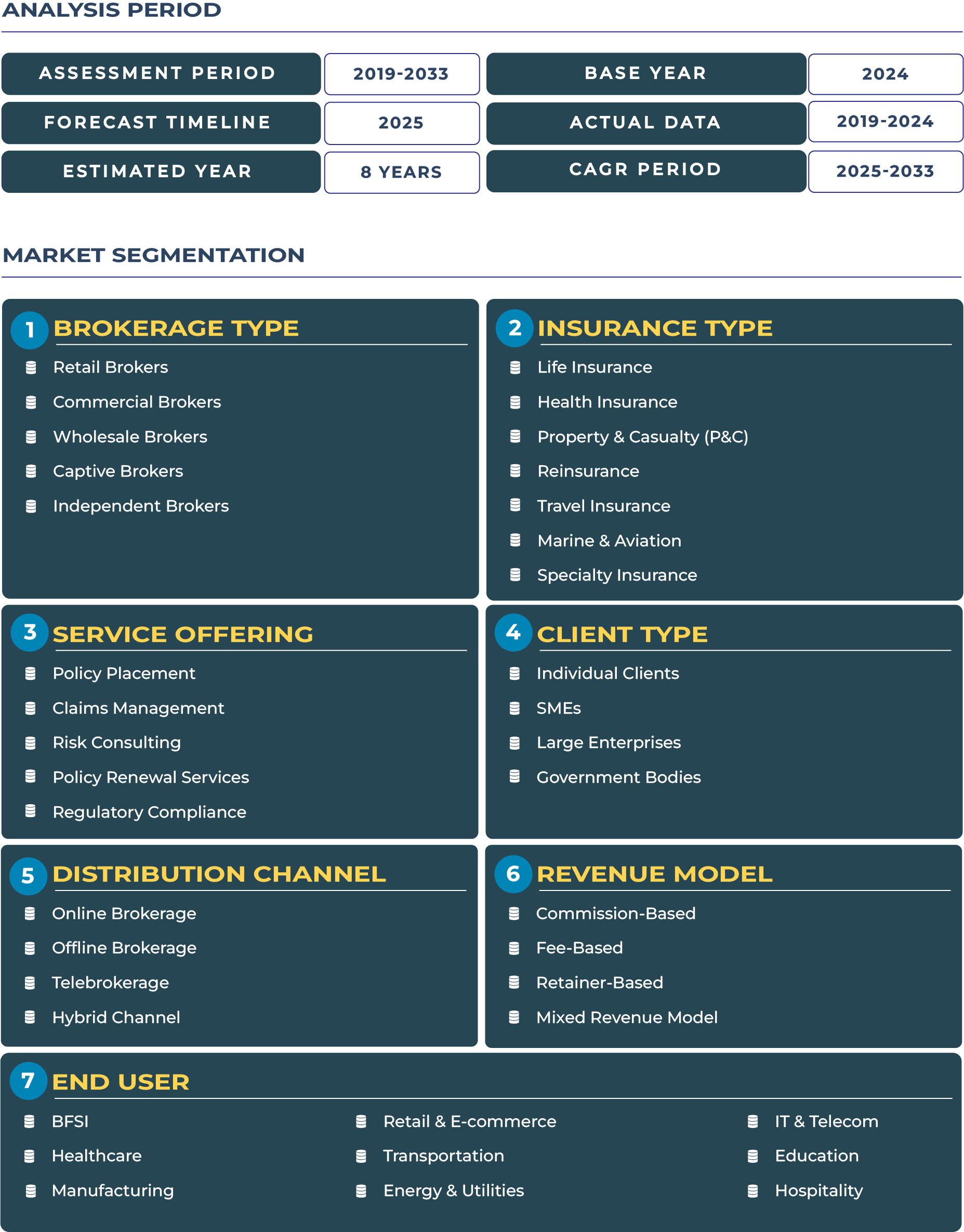
Benelux Insurance Brokerage Market Segmentation
Frequently Asked Questions
White-label broker platforms enable seamless integration of insurance into banking and retail environments across Belgium, Netherlands, and Luxembourg. These platforms offer multilingual support, digital onboarding, and regulatory alignment, allowing partners to deliver localized insurance products under their own brand.
Brokers are creating customized drone policies that cover payload, flight zones, and third-party risks. With logistics firms scaling drone deliveries, brokers are embedding telematics-based pricing and EU-compliant risk models tailored for autonomous aerial operations.
Cross-border integration ensures brokers can serve multinational clients with consistent service levels across all three countries. This approach supports regulatory compliance, policy portability, and efficient servicing in multilingual environments, essential for SME and enterprise clients.
Related Reports

Italy Fintech-enabled Neobanking Market Size | 2019-2033
- Report ID: BAF517 | Coverage: Country |
- Category: Banking and Finance | Sub-Category: FinTech |
- Published Date: Jan 2026 | US$495 |
Argentina Diabetes Care Devices Market Size | 2019-2033
- Report ID: HEA194 | Coverage: Country |
- Category: Healthcare | Sub-Category: Medical Devices |
- Published Date: Sep 2025 | US$495 |
ASEAN Orthopedic Devices Market Size | 2019-2033
- Report ID: HEA228 | Coverage: Regional |
- Category: Healthcare | Sub-Category: Medical Devices |
- Published Date: Oct 2025 | US$1,345 |
France Retail Banking Market Size | 2019-2033
- Report ID: BAF738 | Coverage: Country |
- Category: Banking and Finance | Sub-Category: Banking Services |
- Published Date: Oct 2025 | US$495 |
Italy Fintech-enabled Neobanking Market Size | 2019-2033
- Report ID: BAF517 | Coverage:Country |
- Category:Banking and Finance | Sub-Category: FinTech |
- Publishing Soon |US$495 |
Argentina Diabetes Care Devices Market Size | 2019-2033
- Report ID: HEA194 | Coverage:Country |
- Category:Healthcare | Sub-Category: Medical Devices |
- Published Date: Sep 2025 |US$495 |
ASEAN Orthopedic Devices Market Size | 2019-2033
- Report ID: HEA228 | Coverage:Regional |
- Category:Healthcare | Sub-Category: Medical Devices |
- Published Date: Oct 2025 |US$1,345 |
France Retail Banking Market Size | 2019-2033
- Report ID: BAF738 | Coverage:Country |
- Category:Banking and Finance | Sub-Category: Banking Services |
- Published Date: Oct 2025 |US$495 |
Why Choose Us

24/5 Research Support
Get your queries resolved prior to and post purchasing research study

Customize As Per Specific Requirements
Get in-depth analysis based on your tailored research needs

Expertise in Tracking Niche Markets
Comprehensive view of latest technologies and opportunities across markets

360-Degree Analysis
Fact-based insights derived through supply & demand side analysis

Assured Quality
Deliver most accurate industry insights to maintain research quality

Information Security
Your confidential and personal data is secure and safe