
Western Europe Fintech Market Size and Forecast by Fintech Services, Technology, Revenue Model, and End User: 2019-2033
Sep 2025
| Format:

 |
Pages: 160+
|
Type: Industry Report
|
Authors:
Jayson Gomes
(Manager – BFSI)
|
Pages: 160+
|
Type: Industry Report
|
Authors:
Jayson Gomes
(Manager – BFSI)
MARKET OUTLOOK
Wester Europe Fintech Market Outlook: Profitability through Local Acquiring and Merchant Services Consolidation Defines Western Europe Fintech Outlook
Western Europe has emerged as a mature payments ecosystem where merchant services consolidation, local acquiring networks, and integrated reconciliation platforms shape sustainable margins for service providers. Unlike fragmented emerging markets, the region thrives on a wealthy consumer base, high adoption of digital payments, and a strong banking legacy that has transitioned into technology-first finance. Merchant retention metrics, cross-border acquiring, and automated reconciliation have become key levers for differentiation, particularly as fintech companies balance between saturated urban markets and the profitability of deeper integration. Consolidation of acquiring services across the UK, Germany, and France demonstrates how cross-market M&A unlocks margin expansion, while embedded digital wealth solutions retain affluent segments.
The Western Europe fintech market is projected to grow from USD 85.9 billion in 2025 to USD 178.0 billion in 2033, expanding at a CAGR of 9.5% during 2025–2033. This growth trajectory reflects a robust consumer appetite for advanced digital services, coupled with supportive regulatory structures. The shift toward automation in reconciliation, the push for ESG-driven financial products, and merchant services consolidation collectively underpin the sector’s profitability, according to DataCube Research.
High Digital Payments Adoption and Wealthy Consumer Base Drive Market Expansion
The fintech sector in Western Europe benefits from a wealthy, digitally active consumer base that has rapidly transitioned to contactless payments, mobile wallets, and instant transfers. Urban hubs such as London, Paris, and Frankfurt illustrate how affluent consumers are increasingly opting for premium fintech products, particularly in areas like digital wealth management and ESG-linked insurance. The ongoing integration of embedded finance into retail further drives adoption, offering customers seamless payments alongside tailored financial services.
The COVID-19 pandemic accelerated adoption across digital-first services, while post-pandemic consumer behavior continues to favor convenience-driven and low-friction products. This trend has translated into stronger demand for advanced reconciliation solutions and local acquiring systems that optimize merchant economics. As wealthy segments continue to embrace premium fintech, particularly in asset management and insurance technologies, providers are shifting strategies toward differentiated offerings that retain high-value clients.
Compliance Costs and Saturated Markets Challenge Scalability of Fintech Services
While growth prospects are significant, the Western Europe fintech landscape faces headwinds in the form of stringent compliance requirements and the cost of GDPR enforcement. Regulatory frameworks across the European Union demand high investment in compliance, cybersecurity, and consumer protection measures, which can weigh heavily on smaller fintech firms and limit innovation velocity. Markets such as the UK, France, and Germany, with highly saturated digital payments ecosystems, also create challenges for new entrants seeking differentiation.
The rising complexity of Know Your Customer (KYC) and Anti-Money Laundering (AML) requirements, coupled with pressure from data protection authorities, has made operational efficiency more critical than ever. These compliance costs are particularly significant in insurance technology and lending platforms, where transaction volumes are high and data-sensitive. As a result, scalability strategies increasingly involve cross-border consolidation, leveraging established regulatory expertise across markets.
Embedded Finance, ESG Demand, and Premium Wealth Products Reshape Market Dynamics
Embedded finance has emerged as a transformative trend, particularly in retail. By integrating payments and lending solutions directly within e-commerce and service ecosystems, fintech players are improving customer stickiness while creating new revenue streams. The Nordics, in particular, lead in digital wallet penetration, highlighting the appetite for smooth embedded services.
Concurrently, the demand for green and ESG-linked financial products is reshaping insurance technology and wealth platforms. Affluent consumers in Germany, France, and Benelux markets are driving the uptake of sustainable digital wealth products and carbon-tracking payment solutions. This ESG alignment creates opportunities for premium wealthTech offerings, tailored insurance tech models, and differentiated investment platforms. As the fintech sector integrates these opportunities, providers that align sustainability with profitability are well-positioned for long-term growth.
Government Regulations Define Market Boundaries and Opportunities
Western Europe’s fintech sector is defined by its regulatory landscape, where alignment with European Union directives and national financial authorities sets the rules of competition. The European Commission and local regulators have tightened data protection, consumer rights, and anti-fraud measures, making compliance central to fintech strategies. At the same time, initiatives such as the EU Digital Finance Strategy are fostering innovation by promoting open banking and cross-border payments integration.
Countries such as France and Germany are reinforcing payment standardization frameworks, while the UK Financial Conduct Authority has maintained its global influence by driving fintech-friendly yet consumer-protective regulation. These measures strike a balance between consumer trust and market expansion, particularly important for cross-border acquiring and digital insurance products.
Key Market Drivers Beyond Regulations: ESG, Digital Wallets, and Neobank Expansion
The growth of digital wallets, especially in the Nordics and the UK, reflects a fundamental shift in consumer behavior, with estimates suggesting wallet-based transactions will account for more than 40% of retail payments in Western Europe by 2030. Similarly, ESG-linked fintech products, ranging from green loans to carbon-tracking cards, have redefined consumer expectations of financial services. Neobanks, leveraging agile digital models, are capturing significant market share in urban hubs by offering competitive lending and wealth management solutions. Together, these factors illustrate how evolving consumer expectations and technological integration continue to expand the boundaries of the fintech ecosystem.
Regional Insights on Key Western European Markets
- UK: London remains Europe’s fintech capital, driven by neobank expansion, high embedded finance adoption, and cross-border payment infrastructure leadership.
- Germany: A hub for ESG-focused fintech, with strong government backing for green finance and digital wealth platforms.
- France: Fintech adoption accelerated post-pandemic, with Paris focusing on insurance technology and SME lending solutions.
- Italy: A growing market for digital lending platforms and SME-focused payment solutions, despite structural banking challenges.
- Spain: Strong e-commerce and mobile payment adoption create fertile ground for embedded finance models.
- Benelux: Early adopters of digital wealth products and advanced reconciliation platforms, with emphasis on cross-border acquiring.
- Nordics: Digital wallet penetration is highest in the region, making it a leader in seamless embedded finance solutions.
Competitive Landscape Driven by Acquiring Expansion and Neobank Innovation
The competitive dynamics in Western Europe revolve around consolidation of local acquirers and the expansion of digital-first banks. In 2024, Revolut announced further expansion across Germany and France, strengthening its pan-European digital acquiring footprint. Similarly, regional players are consolidating merchant services through M&A to capture economies of scale. Product launches in cross-border acquiring and reconciliation platforms have become increasingly common as firms seek to differentiate themselves in saturated markets.
Neobanks and digital insurers continue to innovate, leveraging ESG themes and embedded finance to capture new consumer segments. The shift toward integrated acquiring and reconciliation solutions demonstrates a clear strategy: improving margins while enhancing merchant stickiness through automation and advanced analytics.
Conclusion: Consolidation and ESG Integration Will Define the Next Phase of Western Europe Fintech
The Western Europe fintech market is at a pivotal juncture, balancing between mature adoption and emerging opportunities. Consolidation across acquiring and reconciliation services creates margin sustainability in a saturated payments environment, while ESG-driven financial products attract the region’s wealthy, sustainability-conscious consumers. The competitive landscape reflects both the challenges of regulatory compliance and the opportunities of cross-border integration.
Looking ahead, the ability to merge operational efficiency with differentiated offerings—particularly in premium wealth products, insurance technology, and embedded finance—will determine market leadership. Neobanks and established financial institutions alike will need to refine strategies that deliver profitability while adhering to regulatory mandates. With sustained momentum and innovation, Western Europe fintech sector is positioned not only for growth but also for deeper structural integration into the financial and retail economy.
*Research Methodology: This report is based on DataCube’s proprietary 3-stage forecasting model, combining primary research, secondary data triangulation, and expert validation.
[Learn more]
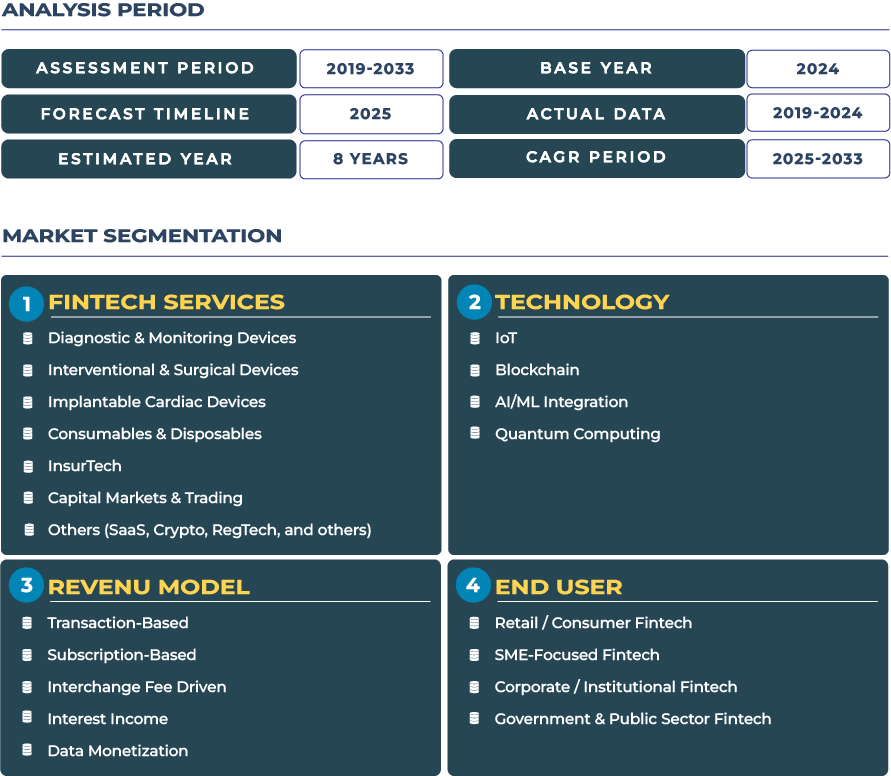
Western Europe Fintech Market Segmentation
Western Europe Fintech Market Countries Covered

Frequently Asked Questions
The rising demand for ESG-linked products is reshaping insurance offerings, with providers integrating climate-risk models, carbon-tracking tools, and sustainable investment-linked policies to align with consumer preferences and regulatory expectations.
Embedded finance allows insurers to integrate policy issuance, claims, and micro-coverage within retail and digital ecosystems, enabling seamless customer journeys and improving policy adoption rates across consumer segments.
Rising compliance costs are pushing insurers toward automation and RegTech solutions, ensuring efficiency in KYC, AML, and GDPR adherence while maintaining the pace of digital transformation and customer trust.
Related Reports

China AI Memory Chip Market Size | 2019-2033
- Report ID: SEM199 | Coverage: Country |
- Category: Semiconductors | Sub-Category: Semiconductors |
- Published Date: Dec 2025 | US$495 |
South Africa Electric Vehicle Battery Market Size | 2019-2033
- Report ID: AUT57 | Coverage: Country |
- Category: Automotive | Sub-Category: Automotive System, Components & Accessories |
- Published Date: May 2025 | US$495 |
Russia Medical Device Market Size | 2019-2033
- Report ID: HEA36 | Coverage: Country |
- Category: Healthcare | Sub-Category: Medical Devices |
- Published Date: Feb 2026 | US$495 |
Germany Private Banking Market Size | 2019-2033
- Report ID: BAF891 | Coverage: Country |
- Category: Banking and Finance | Sub-Category: Banking Services |
- Published Date: Oct 2025 | US$495 |
China AI Memory Chip Market Size | 2019-2033
- Report ID: SEM199 | Coverage:Country |
- Category:Semiconductors | Sub-Category: Semiconductors |
- Publishing Soon |US$495 |
South Africa Electric Vehicle Battery Market Size | 2019-2033
- Report ID: AUT57 | Coverage:Country |
- Category:Automotive | Sub-Category: Automotive System, Components & Accessories |
- Published Date: May 2025 |US$495 |
Russia Medical Device Market Size | 2019-2033
- Report ID: HEA36 | Coverage:Country |
- Category:Healthcare | Sub-Category: Medical Devices |
- Published Date: Feb 2026 |US$495 |
Germany Private Banking Market Size | 2019-2033
- Report ID: BAF891 | Coverage:Country |
- Category:Banking and Finance | Sub-Category: Banking Services |
- Published Date: Oct 2025 |US$495 |
Why Choose Us

24/5 Research Support
Get your queries resolved prior to and post purchasing research study

Customize As Per Specific Requirements
Get in-depth analysis based on your tailored research needs

Expertise in Tracking Niche Markets
Comprehensive view of latest technologies and opportunities across markets

360-Degree Analysis
Fact-based insights derived through supply & demand side analysis

Assured Quality
Deliver most accurate industry insights to maintain research quality

Information Security
Your confidential and personal data is secure and safe